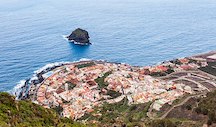
It’s not a good idea to be stuck, but sometimes that is unavoidable. In the days where fluidity, guile and intensity were relied upon for survival, those in the know had a hideaway, be it temporary or permanent; a geographic location from which to regroup, try to shed from one’s follies and regrets, wipe the mud from one’s face, and convalesce or, if lucky, plot one’s next move with much needed reflection and newly gained experience. Pleasant little coves and bays throughout the oceanographic world were familiar places of such activity for certain individuals, known for their seafaring adventures and subsequent predilections. Other lesser renowned spots are present on each and every continent, no matter how painful the memories left behind by those who have traipsed upon such ground afore. You can almost see the hurt, the pain, the longing dripping from the gutters into the streets and alleyways, like slimy residue mixed with leaves, bugs, twigs and whatever else was being washed away by time.
One of the spots preferred by a certain subset of pained personages was, of course, Tenerife. Famous for the veil of secrecy that cloaked the outskirts of the communal hub, new arrivals could immediately feel a sense of relief as they crossed the threshold into the fragrant boulevards at sunset. It was not so easy of course. After the initial relief that beset one after those first deep breaths, there was some real, painful days ahead, but the end result would be ultimately satisfying to all, except for those unfortunate ones too stricken to facilitate the healing airs and waters alleviating their pain.
Overall, the reputation of Tenerife as a place of refuge and solace was without question. It became known during the 1920’s when German orchestral musicians began arriving for some R and R, stressed out by the overwhelming demands placed upon them by composers and conductors alike, in addition to the insatiable expectations of the music loving public who seemed to fixate on their every error during a performance, whether real or imagined. Some of the finest practitioners and interpreters of the classical canon could be found along the boulevards, meadows and porticos of the town on any given day during that magical time, but nary a note of music was heard, for these poor souls were there to heal, to forget about their troubles and re-establish some sense of emotional equilibrium if possible. Their love and dedication to the classical arts had become an albatross around their necks and they needed a break.
Tenerife, with its soft breezes, tender sunshine and fragrant alleyways became a necessity for folks of that ilk, arriving there by dinghy, across the Mediterranean from Bavaria, Saxony, Rhineland and Westphalia. The journey involved a secret ghost train journey through the Alps and a pre-dawn discreet departure from Trieste. It was an arduous journey, but once one arrived, it took but a couple days for the weary travelers to realize that such sacrifices had been worth it all and would be most beneficial for them moving forward. The return trip was marked by gaily refreshed faces, smiling towards the sky and confidently hopeful as they headed west back home.
Somehow, this tradition continued throughout the 20th Century, passed down to subsequent German musicians, who continued giving all that they had toward their craft, only to hit a wall and be in desperate need of some time to heal. The 60’s and 70’s pioneering prog-rockers spent most of the year in Tenerife, for they took liberties that their predecessors hadn’t. Being the Age of Aquarius and whatnot, a two-week respite had slowly morphed into a month-long retreat, and then into a season-long healing sojourn, and ultimately into a quasi-permanent state of healing and respite, begging the question, of course, that if the respite is of longer-time than the life recently-left, then it is no longer a respite but a permanent migration, and the purpose of the jaunt has lost it’s meaning to be sure. Those prog-rockers thought that their pyschedelics and lithium baths could be helpful, but, in fact, they went too far, of course, and it became difficult to escape that state of being away, so much so that there became here and here became there. In time, the powers of the place were reduced and the journey became more of an illusion to a former time rather than a defined journey with set expectations, outcomes, limits and boundaries. The Age of Aquarius wanted nothing to do with limits, but their importance was unquestionably re-established, and it was time to cleanse the palate and start again.
When the 1980’s rolled around, Tenerife was desolate and unsure. The magic, resuscitating elements seemed to be in hiding, or perhaps, gone forever. The city bore the brunt of neglect and Cold War coldness, the residents closing their windows and drawing down the shades for weeks or months at a time. As it happens, the cycle of pain and pleasure renewed back upon itself and a new wave of German musicians, in need of healing from their artistic exhaustion, began to rediscover the trodden paths through the Alps of their forebears. The post-punk industrialists rose up and became manifest, polar opposites from their classical music brethren and sistren from previous eras, grinding asphalt into a microphone rather than spending years learning how to properly play a sonata on piano or violin.
They grew up in the end of one era and on the cusp of a new day, taking the tools of art and subverting them, not to make something sound beautiful but to make something unlistenable. But, intentionally making noise is also artistic practice and even screaming and smashing can take its toll on a poor, young soul. So, after a few years of attempts to make drills and hammers seem even more sonically dangerous and relevant than they did previously, even these tough blokes in nose rings and leather jackets needed some rest and healing. On they went, over the Alps and to Trieste, where they tied some logs together, attached a motor and made their way across the Mediterranean to the Straights of Gibraltar.
Once arriving in those proven healing lands, which had laid barren and unused for almost 20 years, they re-established the practice pioneered by the cellists and oboists some time ago. They instinctively pursued the same practice, the same repose, the exact same agenda of secret repair. Their footsteps fell into the same imprints as those who had come before. They breathed the same healing breaths and felt the same restoration of their worried minds. Alas, so it is, young German musical artists. If the pain and pressure of practice and pioneering performance should get to be too painful and pernicious and start piercing at your inner peace, please don’t delay, promptly punch your ticket to peace and bliss at the secret hideaway of artistic renewal, acceptance and new beginnings. It’s only an ocean away.








 THE MOSSY BOG